

One of the most frequent questions we hear from travelers planning a trip to Iguazu Falls is simple, and completely valid: Which side should I visit, Argentina or Brazil?
Most travelers asking this question have limited time and want to make the most of their visit. Having personally visited Iguazú four different times, we can confidently say this is one of those destinations that never feels the same twice. The sound of the water, the intensity of the mist, the changing light, and even the activities available shift with every visit. It’s a place we continue returning to, because Iguazú is never just “done.”
Before comparing sides, it’s important to understand what Iguazú really is.
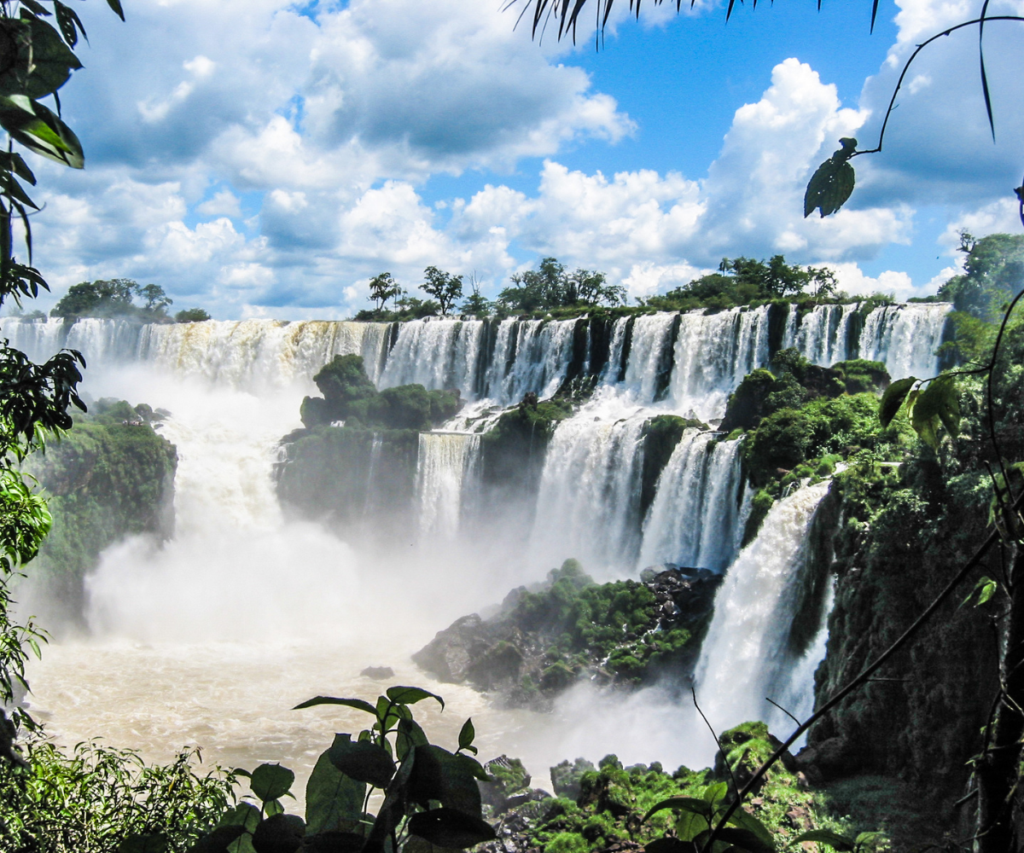
This isn’t a single waterfall. Iguazú is made up of 275 individual waterfalls, spread across nearly three kilometers. It’s vast, powerful, and unlike anything most travelers have experienced before. Standing there, surrounded by jungle and thunderous water, the scale is hard to process until you’re right in the middle of it.
On the Argentine side, Iguazú National Park is open daily from 8:00 am. Entry is allowed until mid-afternoon, and visitors must exit the park by early evening. The last ecological train to Devil’s Throat usually departs around 3:30 pm, which makes planning your timing essential.
One recommendation we always make: we don’t suggest visiting both sides in a single day. While it’s technically possible, Iguazú isn’t a destination to rush. Moving too fast takes away from the experience.
The Argentina Side: Immersion, Trails, and Time
The majority of Iguazú Falls are located on the Argentine side, and this is where the experience feels the most immersive. The park is extensive, offering more trails, more viewpoints, and more opportunities to spend time close to the water.
Here you’ll find the Upper and Lower Circuits, long networks of walkways, and the ecological jungle train connecting the main areas of the park. The approach to Devil’s Throat, via a walkway stretching over the river, is one of the most intense moments of the entire visit.
Wildlife is part of the experience. Coatis roam freely, toucans fly overhead, monkeys move through the trees, and caimans can occasionally be spotted near the water’s edge.
For travelers looking to add action to their visit, the Argentine side offers the Gran Aventura experience, one of the most popular iguazu falls boat tours. This powerful boat ride takes you directly beneath the waterfalls, combining speed, water, and adrenaline. You will get wet, and that’s part of what makes it unforgettable.
Those seeking something quieter can explore the Macuco Trail, a rustic hike through the jungle. This out-and-back trail stretches about seven kilometers in total and takes roughly three hours to complete. It ends at Salto Arrechea, a secluded waterfall hidden deep in the forest, ideal for travelers wanting to step away from the crowds.
The Brazil Side: Panoramic Views and Iconic Experiences
Crossing into Iguaçu National Park changes the experience completely. The Brazilian trails are shorter, but they deliver some of the most impressive panoramic views of the entire waterfall system.
From this side, you truly understand the scale of Iguazú. Wide viewpoints and elevated walkways reveal dozens of waterfalls at once, creating the classic, sweeping views many travelers associate with iguazu falls brazil.
Although the Brazilian side can be explored efficiently, we recommend planning a full day for the visit. In around six to seven hours, it’s possible to cover the main viewpoints and the most important activities, but allowing a full day makes the experience far more relaxed.
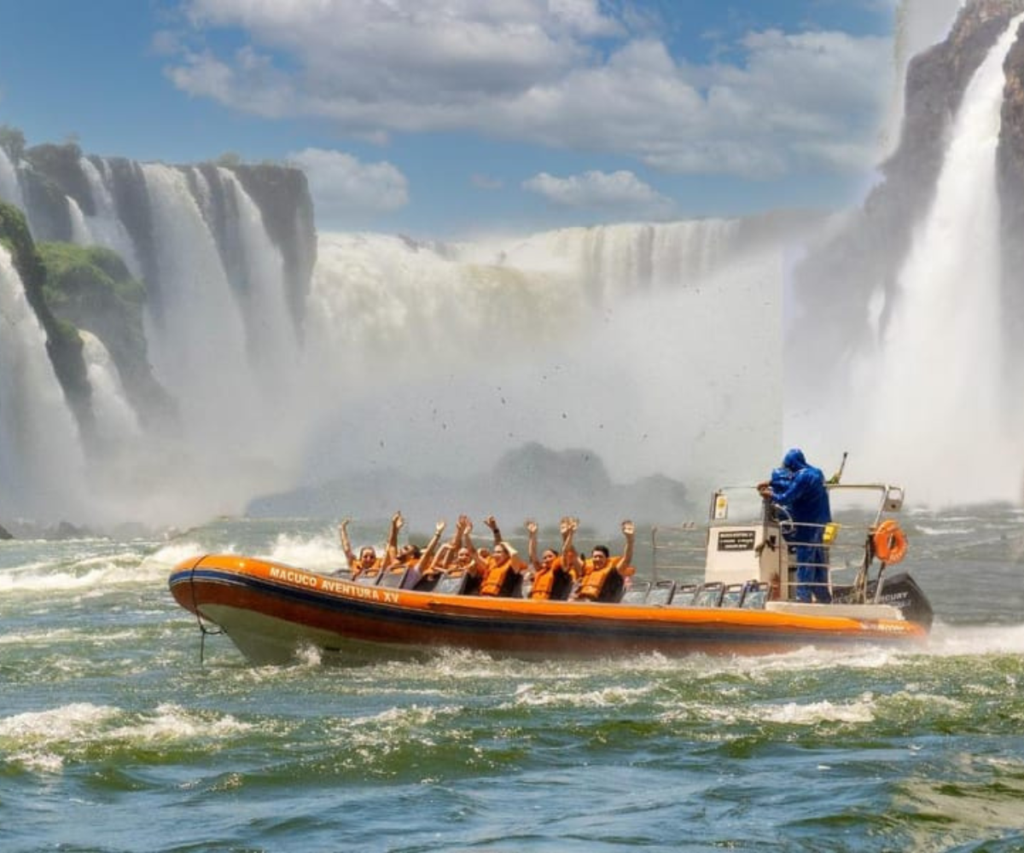
One of the most recommended experiences on the Brazilian side is Macuco Safari. This boat adventure takes you close to the base of the falls and offers a completely different perspective from the panoramic walkways. It’s considered one of the highlights of visiting the Brazilian side and is often a favorite among travelers who enjoy combining views with adrenaline.
The Brazilian side is also home to Parque das Aves, helicopter flights over the falls, and quieter options such as the Pozo Negro Ecological Trail, which offers a peaceful walk through the forest away from the main viewpoints.
Common Planning Questions
How much time do you need for the Argentina side?
At an absolute minimum, one full day. With an early start, you can cover the Upper and Lower Circuits, Devil’s Throat, and a boat experience, but it’s a long and active day.
How much time should you plan for the Brazil side?
While the main highlights can be seen in six to seven hours, dedicating a full day allows you to enjoy the viewpoints, activities, and additional attractions without rushing.
When is the best time of year to visit Iguazú?
The weather in Iguazu Falls varies throughout the year. The rainiest months are typically December through February, when water levels are at their most dramatic, but heat and humidity are higher. May through August tends to be cooler and drier, offering more comfortable walking conditions, though with slightly lower water flow. Each season offers a different atmosphere.
What should you pack?
Light clothing, comfortable walking shoes, sun protection, insect repellent, and waterproof protection for electronics. Getting wet is part of the experience.
A Practical Tip for Your Last Day
For travelers flying out on their final day and wanting to make the most of their time, there’s a useful detail worth knowing. Lockers are available at the park entrance.
Many travelers enter the park in the morning, leave their luggage in a locker, explore the waterfalls and activities at a relaxed pace, and once finished, retrieve their belongings and head straight to the airport. It’s a simple way to maximize the last day without feeling rushed.
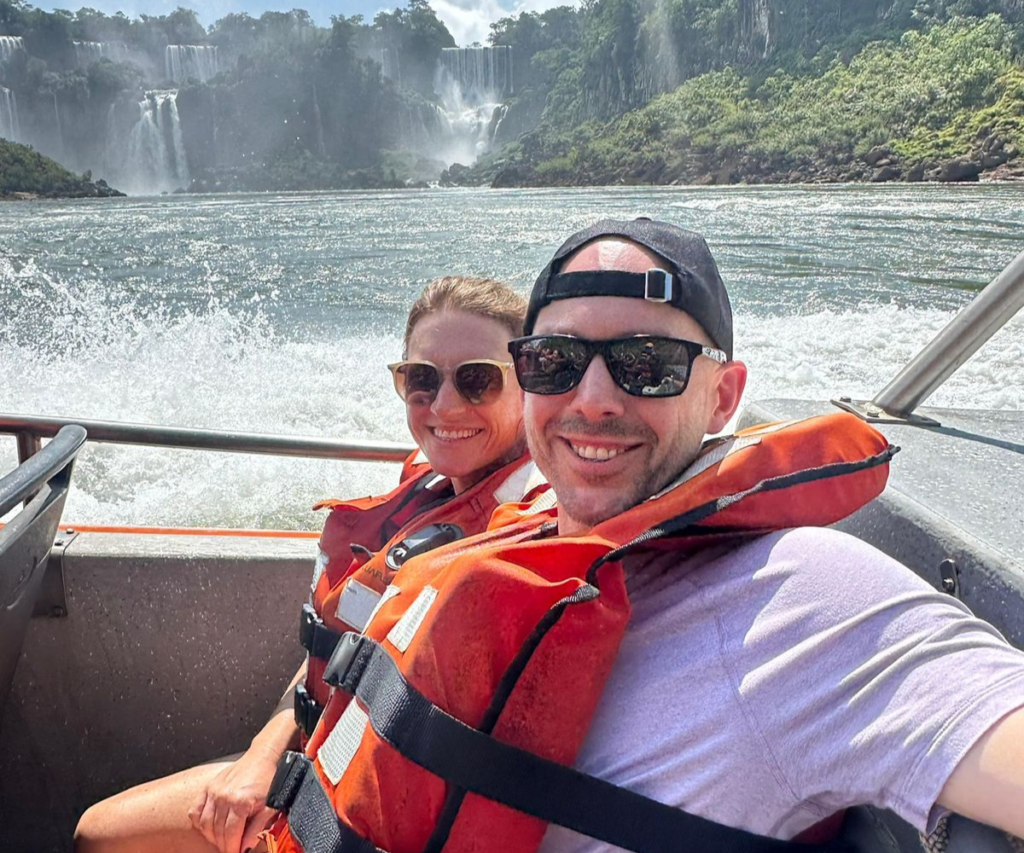
This was exactly the case for John and Erin. They were traveling through Patagonia when they decided, almost overnight, that they couldn’t miss Iguazú. They had just one night, with an international flight back to the United States the following day. They stayed at Loi Suites Iguazu Hotel, and early the next morning headed out with Marcos, our favorite private guide in Iguazú, focusing mainly on the Brazilian side.
Once inside the park, they stored their luggage in a locker, spent an unforgettable day exploring the falls, and ended it with one of the highlights of the trip: the Macuco Safari, soaked, smiling, and completely in awe. From there, we took them straight to the airport. In the photo below, you can see them mid-adventure, fully living the moment.
So, Which Side Is Better?
In the end, choosing between the Argentine or Brazilian side isn’t an absolute decision. It’s a matter of travel style, timing, and how much depth you want from the experience.
The Argentine side is larger, more immersive, and ideal for travelers who enjoy walking, exploring, and spending several hours inside the park. The Brazilian side is more concise, visually striking, and perfect for panoramic views and iconic viewpoints. For travelers comparing both perspectives and weighing what fits best into their itinerary, options like a Private Iguazu Falls Tour Argentina and Brazil Side often come into consideration when logistics, pacing, and limited time start to matter.
Together, both sides tell the full story of Iguazú. One brings you close to the water, the other reveals the full scale of the landscape. Combined, they offer a richer, more balanced experience that captures the true essence of the falls