

There are certain things you should know before arriving in Argentina.
Not because you need a survival guide. And not because the country is “complicated.”
But because some details will instantly make your stay smoother, more enjoyable, and far less confusing.
Other things? They’re subtle. You might miss them if no one points them out. But once you know they’re there, you’ll start seeing them everywhere.
And then there are the things you’ll notice whether you’re trying to or not.
When you’re walking down the street and suddenly realize everyone around you moves, eats, talks, or lives in a slightly different rhythm… that moment sticks.
If you’re looking for interesting fun facts about Argentina, here’s the version that actually matters if you’re planning a trip.
These aren’t random trivia points.
These are the things first-time visitors genuinely notice.
And once you see them, you can’t unsee them.
1. We Eat Dinner Late
Let’s start with one of the most common questions travelers ask us: what time do people eat dinner in Argentina?
It’s not unusual, especially in summer, to see someone sitting down for dinner at 11:00 pm. That does not mean it’s the average time, but it’s completely normal.
The typical dinner time is around 9:00 or 9:30 pm. Most restaurant kitchens stay open past midnight because people genuinely eat late.
If you go to dinner at 7:00 pm, you’ll have no problem getting a table. Everything will work perfectly. But if you want to adapt to local rhythms and live a more authentic experience, a good middle ground is around 8:30 pm.
And it’s not just about eating late. We also go to bed late. After dinner, we do something called “sobremesa.” That means staying at the table long after the plates are empty. We talk, we share stories, we have a glass of wine, a coffee, sometimes just water. The meal ends, but the moment doesn’t.
That’s part of what to know before traveling to Argentina: dinner is not just food, it’s time.
2. You’ll See Fernet with Coke Everywhere
You might expect to see Malbec everywhere. And you will.
But you’ll also see Fernet with Coke just as often.
Fernet is originally Italian and traditionally drunk straight in its country of origin. Here in Argentina, we mix it with Coca-Cola. If you ever hear someone say “70/30,” that means 30% Fernet and 70% Coke, always with plenty of ice.
Most of the time, the brand is Fernet Branca with Coca-Cola.
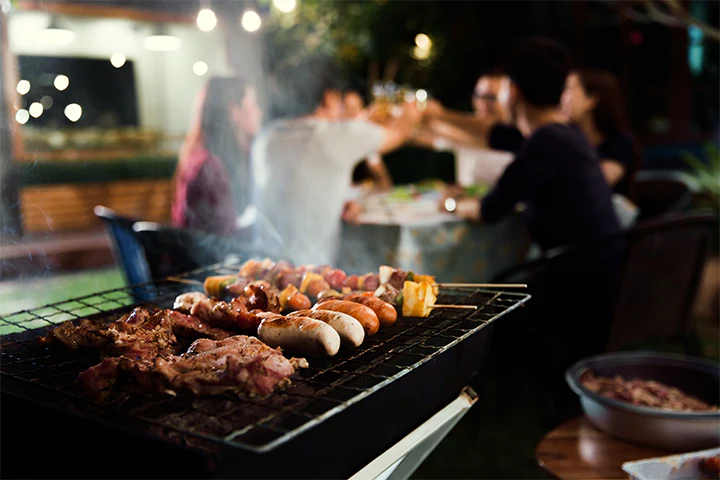
If you’re at an asado or sharing a picada with friends, chances are someone is drinking it. It’s one of those small cultural details that surprise visitors.

3. Sunday Means Asado
If you go for a walk through a residential neighborhood on a Sunday around midday, it’s almost impossible not to notice the smell of smoke and grilled meat coming from houses.
Sunday asado is a tradition for many Argentine families. It’s not only for celebrations. It can be for a birthday, a holiday, or simply because we enjoy gathering and sharing time together.
Many travelers come to Argentina wanting to experience a real asado. There are excellent restaurants, and many are highly rated on Tripadvisor. But often, to truly understand it, you need a local perspective.
Designing your trip with true Argentina Travel Specialists can be the difference between eating grilled meat and experiencing the full ritual.
An asado is not just a dish. It’s hours.
It can start at 10:00 am with the person in charge lighting the fire. Empanadas appear slowly. There’s usually a Fernet or a Malbec while the “asador” manages the grill. After eating, there’s sobremesa again. This entire ritual can easily last until 5:00 pm.
It’s not lunch. It’s a day.
4. A Football Match Is Never Just 90 Minutes
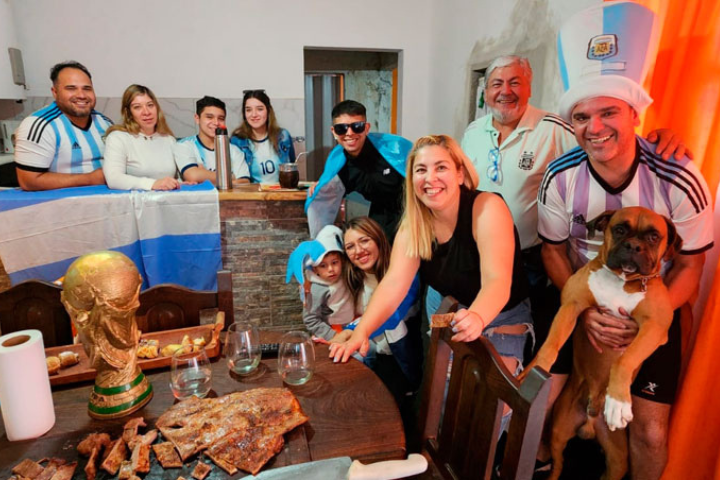
Argentina is deeply passionate about football.
A 90-minute match rarely feels like just 90 minutes. There are hours of build-up before the game. Fans gather outside the stadium singing. Cars drive by with flags and horns. During the week, people debate possible lineups and tease rival supporters.
In cities like Buenos Aires, Rosario, Córdoba or Santa Fe, this energy is constant.
Something that surprises many visitors is how common it is to see fans of clubs from other regions. In Córdoba, you’ll see many Boca or River supporters. Imagine seeing large groups in Naples passionately celebrating Inter Milan goals. It would feel unusual.
Here, it’s normal.

5. There Are Ice Cream Shops Everywhere
This might sound subjective, but Argentina doesn’t just have some of the best ice cream in the world, it also has an incredible number of ice cream shops.
In certain neighborhoods, you’ll see one per block. The quality is consistently high. Many travelers ask us where to find the best one. Honestly, most heladerías are excellent.
But when time is limited, it helps to know which ones truly stand out. Sometimes local insight matters more than online rankings.

6. Architecture Is a Reflection of Immigration
Until the mid-20th century, immigration shaped Argentina dramatically.
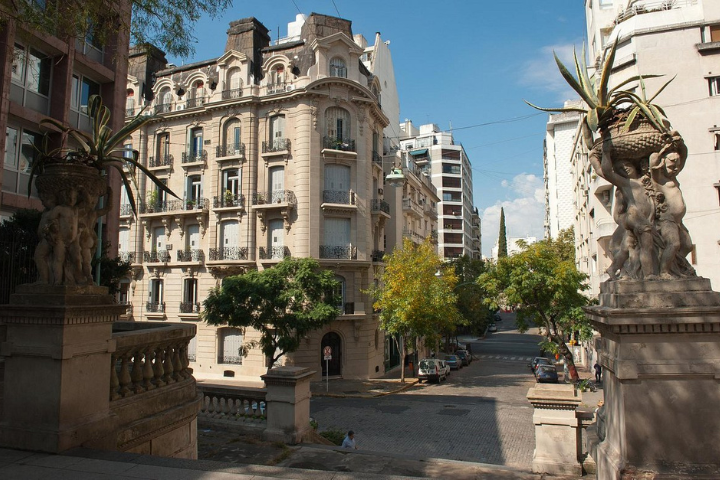
Italian, Spanish, German, English, Swiss and many other communities left their mark. You can walk through different neighborhoods and almost guess where the influence came from.
And yet, the best way to describe Argentine architecture is simply as “Argentina.” It’s a mix. Sometimes harmonious, sometimes chaotic. That mixture is part of its charm.
7. Greeting with a Kiss Is Normal
It may feel surprising at first, but greeting someone with a kiss on the cheek is very common here.
You might walk into a gathering with 15 people and greet each one individually. Not everyone does it, but if someone does, it’s completely normal.
In my mother’s Spanish family, one kiss is typical in close settings, and in large gatherings, sometimes a general greeting works. In my father’s Sicilian family, two kisses, one on each cheek, are common.
It’s cultural, not romantic. It’s warmth

8. Mate Is Everywhere
If you want to recognize an Argentine anywhere in the world, look for mate.
Mate consists of the gourd, the yerba inside, and the bombilla used to drink the hot water that’s poured over it.
Many of us drink mate all day. We wake up and put the kettle on immediately. When the yerba loses flavor, we change it and keep going.
Go to a park or a beach and you’ll see most people drinking mate. You’ll even see people walking down the street with it.
There’s an ongoing debate about whether mate or dulce de leche was invented in Argentina or Uruguay. I don’t have proof, but I don’t have doubts either that it’s Argentine.
If you visit, you should at least try it. We usually recommend starting with a milder yerba, because the taste can feel strong and bitter at first.

9. Cars Don’t Always Stop at Crosswalks
This is a small but important tip.
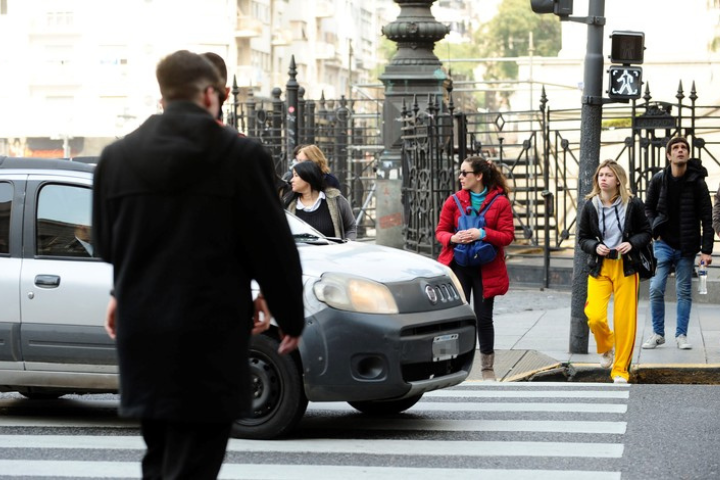
Don’t assume that cars will automatically stop when you step onto a pedestrian crossing. In many cities, you need to wait until traffic slows or stops.
There are plenty of traffic lights, and those are reliable. But at regular crosswalks, be attentive.
It may seem minor, but knowing this can save you an uncomfortable moment.
10. Distances and Connectivity Matter
Argentina is enormous. It would cover most of Western Europe.
Before planning a trip, it’s important to understand this. Most domestic flights connect through Buenos Aires. Direct routes between regions are limited and often seasonal.
Some travelers arrive for 12 days wanting to visit Patagonia, Mendoza, Iguazú, Salta, Ushuaia and more. Except for short drives like El Calafate to El Chaltén, most of these connections require flights.
Flight frequencies vary by season. Some routes operate only a few times per week.
Being aware of this helps avoid exhaustion and unrealistic schedules.
This is why working with experienced Argentina Travel Specialists, especially those who truly know the country from Ushuaia to La Quiaca, makes a real difference. Smart planning is not about seeing everything. It’s about seeing the right things at the right pace.
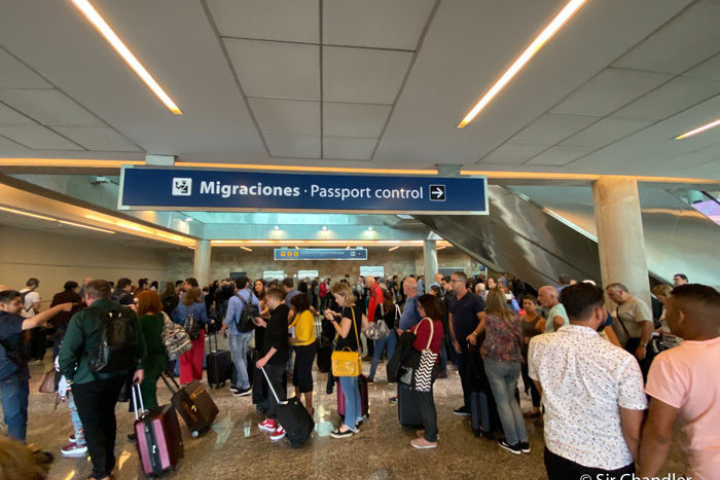
Argentina is beautiful, vast and complex. It often feels like multiple countries inside one.
Understanding these details before arriving makes your experience smoother and deeper. It allows you to notice what others might overlook.
And when you travel that way, every day feels more intentional.